 1 / 3
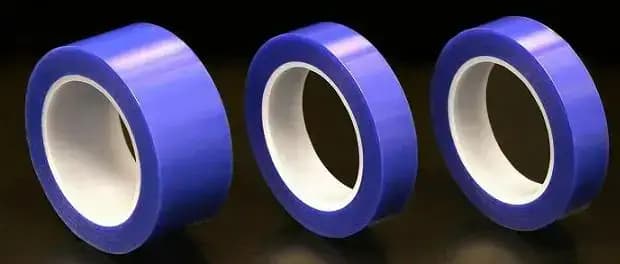
Industrial Splicing Tape
Splicing tape for zero-speed and flying-speed roll joins on printing, paper converting, film, and corrugator lines — rated up to 425°F (218°C) for the most demanding web applications.
Max Temperature
425°F (218°C) — 9740 corrugator-grade
Splice Methods
Zero-speed and flying-speed — select by line configuration
Carrier Types
No carrier (transfer) / Polyester (PET) / Non-woven tissue / Polypropylene
Versatile Go-To
9737/9738 — thin PET or tissue, rated to 300°F (150°C), zero and flying speed
Overview
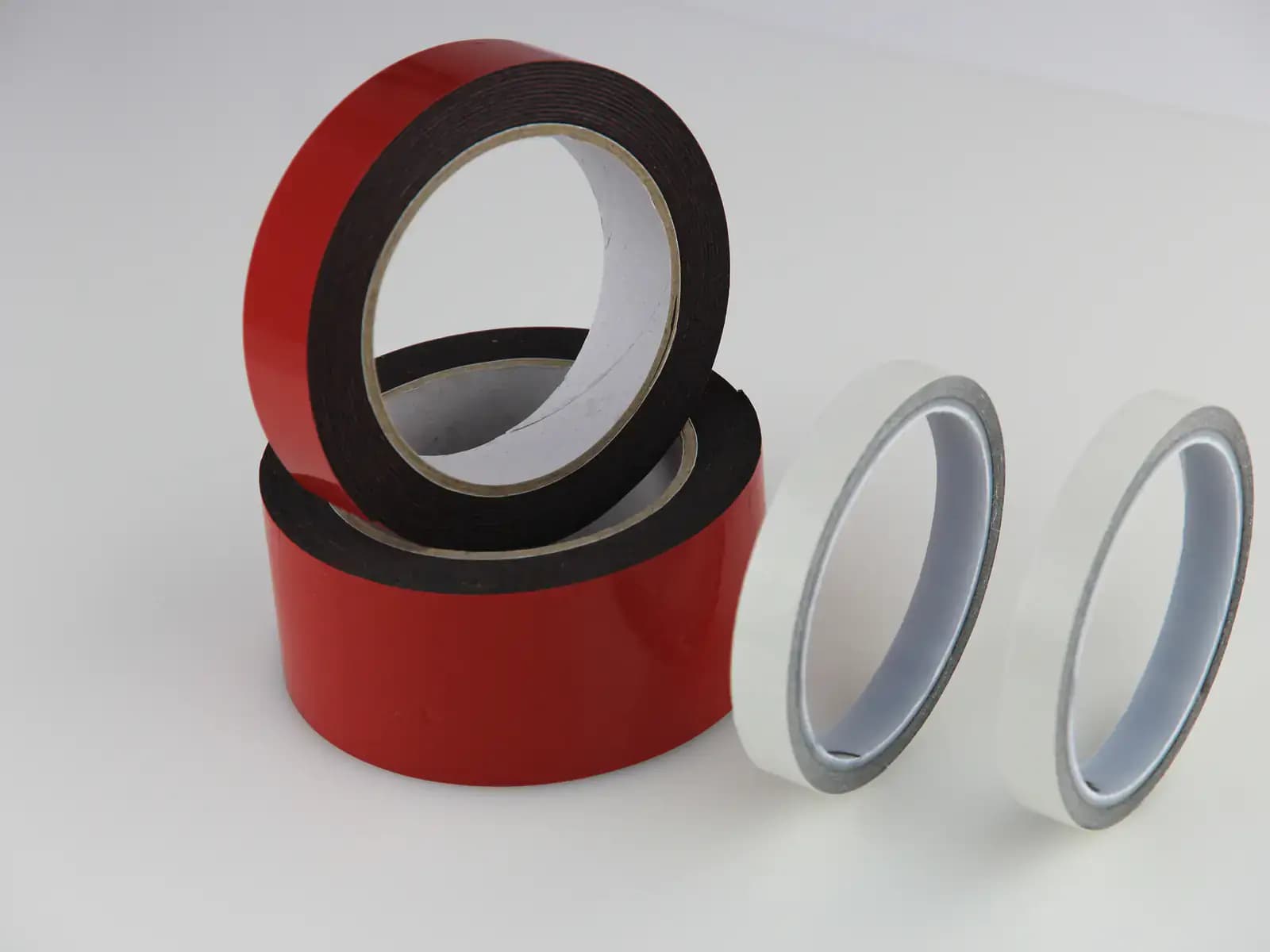
ALS Tape supplies 3M splicing tapes for converting, printing, packaging, and corrugated board manufacturing environments where roll changes must be fast, reliable, and residue-free. Splicing tapes serve two primary splice methods: zero-speed splice (line is stopped or slowed for the join) and flying-speed splice (splice is made at full running line speed without stopping production). Transfer tape grades (465, 9498/9464, 9499/9497) deliver a clean, carrier-free low-profile splice suitable for delicate or thin substrates. Double-coated tissue grades (9737/9737R and 9738/9738R) are the go-to versatile option for both zero-speed and flying-speed splices on most paper, film, and foil substrates — rated to 300°F (150°C). The corrugator-grade 9740 (polyester carrier) withstands up to 425°F (218°C) with high peel, tack, and shear strength for performance-grade joining under the high heat and pressure of corrugated board production lines. For roll closing and medium-tack general applications, polypropylene-carrier 9576 provides a cost-effective practical solution. Red liner and red-carrier variants are available for liner color identification and waste tracking in high-speed production environments.
Category Focus
Industrial Tape
Masking, splicing, foam, and foil adhesive tapes for process protection, web handling, and production support.
View source documentWhat to expect when you order
- Minimum order
- 1 roll of standard material; die-cut parts from 100 pcs
- Samples
- Stock material samples are free; custom die-cut samples take 3–9 days and are quoted per part
- Production lead time
- 2–14 days after the order and drawing are confirmed
- Cutting tolerance
- ±0.05–0.2 mm on cut outlines, depending on material and thickness
- Material proof
- Photos of the original roll labels with batch numbers; CoC or CoA on request
- Shipping
- FOB or DDP (duties included). To the US: air about 7 days, sea about 45 days
Send the grade, thickness and a drawing or sample. A business manager replies within 24 hours.
Request a quoteTypical Grades and Specification Direction
Swipe sideways to see all columns →
| Model | Total thickness | Carrier | 180° peel, oz/in (N/25 mm) | Short-term high temp | Notes |
|---|---|---|---|---|---|
| 9737 / 9737R | 0.09 mm | PET, 0.01 mm | 60 (16.4) | 150 °C (300 °F) | Clear or red; aggressive, versatile for paper, film and foil |
| 9738 / 9738R | 0.11 mm | Nonwoven tissue, 0.03 mm | 60 (16.4) | 150 °C (300 °F) | Clear or red; suited to corrugated, kraft and coated papers |
| 9740 | 0.09 mm | PET, 0.01 mm | 70 (19.2) | 218 °C (425 °F) | High peel, tack and shear; performance splicing on corrugators |
| 9741 / 9741R | 0.17 mm | PET, 0.01 mm | 120 (32.8) | 93 °C (200 °F) | Thick, very aggressive; for low-surface-energy films |
| 9088 | 0.20 mm | PET, 0.01 mm | 137 (37.5) | 150 °C (300 °F) | High tack and shear; high temperature |
| 9086 | 0.19 mm | Nonwoven tissue, 0.03 mm | 146 (40.0) | 121 °C (250 °F) | Thick, conformable, easy to tear by hand |
| 469 | 0.14 mm | Tissue, 0.02 mm | 60 (16.4) | 177 °C (350 °F) | Light red for visible splices; high temperature |
| 465 | 0.05 mm | None (transfer adhesive) | 25 (6.8) | 121 °C (250 °F) | Thin, low-profile splice on paper; flexible to −51 °C |
| 9499 / 9497 | 0.05 mm | None (transfer adhesive) | 45 (12.3) | 177 °C (350 °F) | Clear or light red; high-temperature transfer splice |
| 9576 | 0.10 mm | Polypropylene, 0.02 mm | 30 (8.2) | 75 °C (165 °F) | Medium tack; general splicing and roll closing; four colours |
Key Features
Zero-Speed and Flying-Speed Capable — Constructions available for both stopped-line joins and full-speed flying splices. Match the tape to your line configuration.
Corrugator Grade (9740) — Rated to 425°F (218°C). High peel, tack, and shear strength for corrugated board production line joining under heat and pressure.
Versatile Go-To (9737/9738) — Thin PET or non-woven tissue carrier. Aggressive adhesion to most paper and film substrates. Suitable for zero-speed and flying-speed splice applications.
Transfer Tape Splicing (9499/9497) — Carrier-free high-temperature splice up to 350°F (177°C). Low-profile join for thin or sensitive substrates.
Roll Closing (9576) — Polypropylene carrier, medium tack. Cost-effective for general roll closing and non-critical web joins.
Color Identification Options — Clear and red carrier or liner options for waste tracking and liner identification in high-speed converting lines.
Applications
Flying-speed roll splicing on paper and film converting lines
Zero-speed splice on printing and packaging production equipment
Corrugated board production line joining at high temperature (9740)
Roll closing for finished converted and rewound rolls
Flexible packaging and laminate web processing
Foil, specialty substrate, and nonwoven splicing
FAQ
Which splicing tape is used on corrugators?
3M 9740 is the performance grade for corrugator splicing: a thin PET carrier rated by 3M to 425 °F (218 °C) short-term, with high peel, tack and shear. 3M 9738, with a nonwoven tissue carrier, is also well suited to corrugated, kraft and coated papers at up to 300 °F (150 °C).
What is the difference between zero-speed and flying splice tape?
A zero-speed splice is made with the web stopped or slowed; a flying splice joins the new roll at full line speed, so the tape needs very high tack to grab instantly. All grades in the table can be considered for both methods; for flying splices on high-speed lines, the thicker, high-tack grades are the usual starting point.
Is there a food-safe splicing tape?
Food-contact compliance depends on the specific grade and the regulation that applies to your packaging, and the general 3M splicing tape data in the table does not include food-contact statements. Tell us the end use and the regulation you work to; we check the manufacturer's regulatory statement for the grade before quoting.
Transfer tape or double-coated tape for splicing?
Transfer tapes such as 465 or 9499 have no carrier, so they make the thinnest, most flexible splice and suit thin or delicate webs. Double-coated tapes with a PET or tissue carrier are easier to handle and apply, and the tissue grades can be torn by hand.
Can you slit splicing tape to our line width?
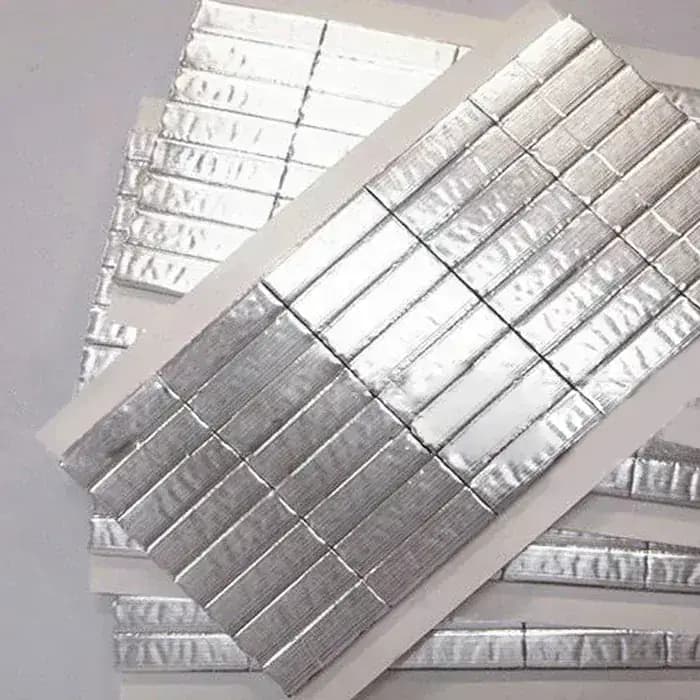
Yes. Splicing tapes are supplied in full rolls or slit to the width your splicer uses, and can be die-cut into pre-shaped splice patterns. Standard material starts from 1 roll; die-cut parts from 100 pcs.
Need Pricing or Material Advice?
Align Material Selection and Converting Faster
Tell us your material, dimensions, and application. We can support sourcing, converting, and custom fabrication.