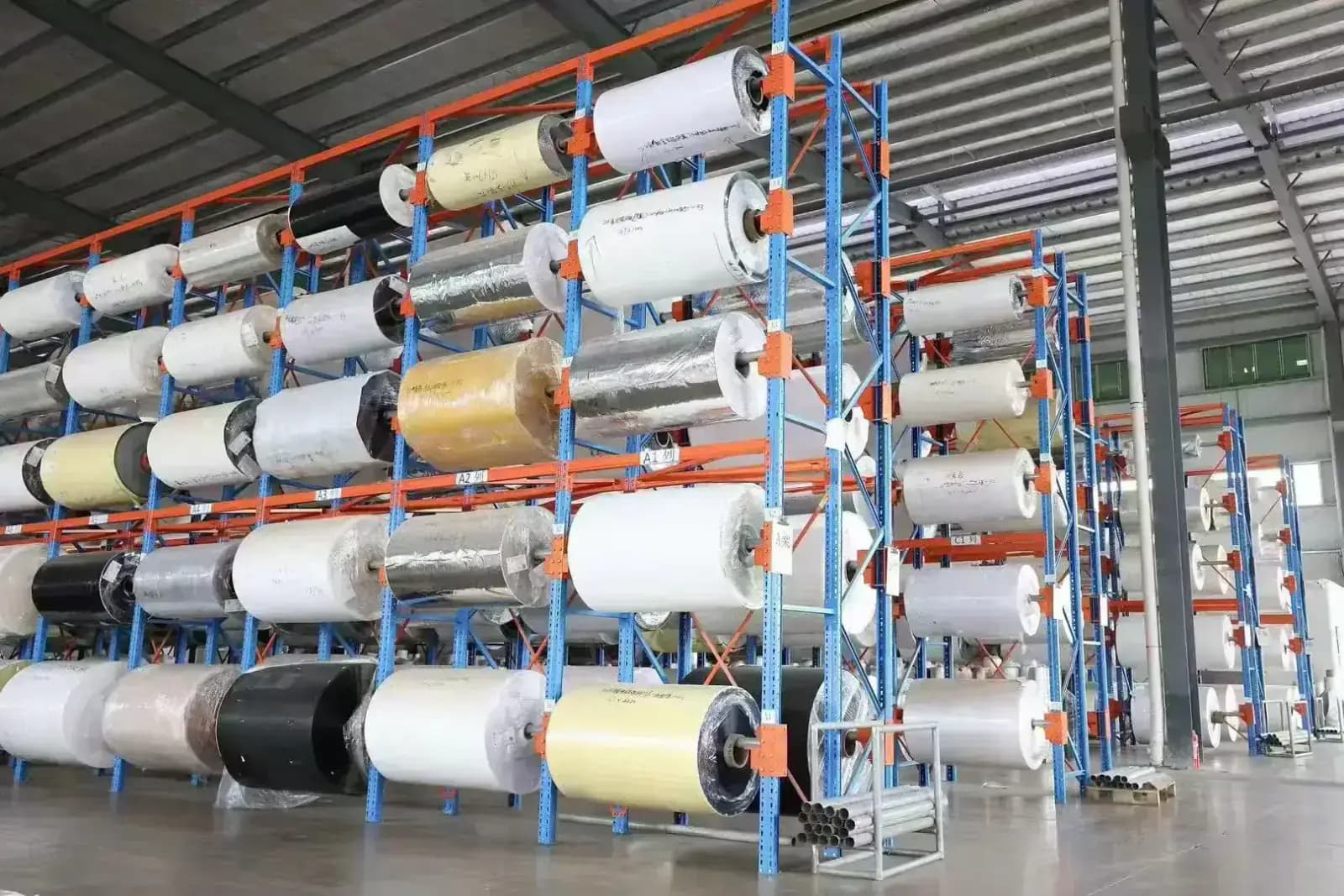
Foams & Elastomers
Microcellular PORON, BISCO silicone, and structural core foams for sealing, cushioning and damping
Converting Options
Material Overview
Foam and elastomer materials sit between rigid structure and pure adhesive — they take up tolerance, absorb vibration, seal against dust and moisture, and recover their thickness over years of compression. Selection turns on three engineering decisions: cell structure (closed vs open) for moisture and air sealing, base chemistry (PU, silicone, EPDM, neoprene) for temperature and chemical exposure, and density grade for the gasket force the assembly will tolerate. This page is a navigation entry into the foam and elastomer products ALS Tape supplies and converts — use the comparison table to narrow the family, then jump to the product page for full specs.
Sub-type Comparison
PORON Microcellular PU
Key Property: Low compression set (<10% after 22h @70°C), millions-of-cycles recovery
Typical Substrate: Polyurethane
Application: Electronics gasket, smartphone & laptop sealing, medical device cushioning
BISCO Silicone Foam
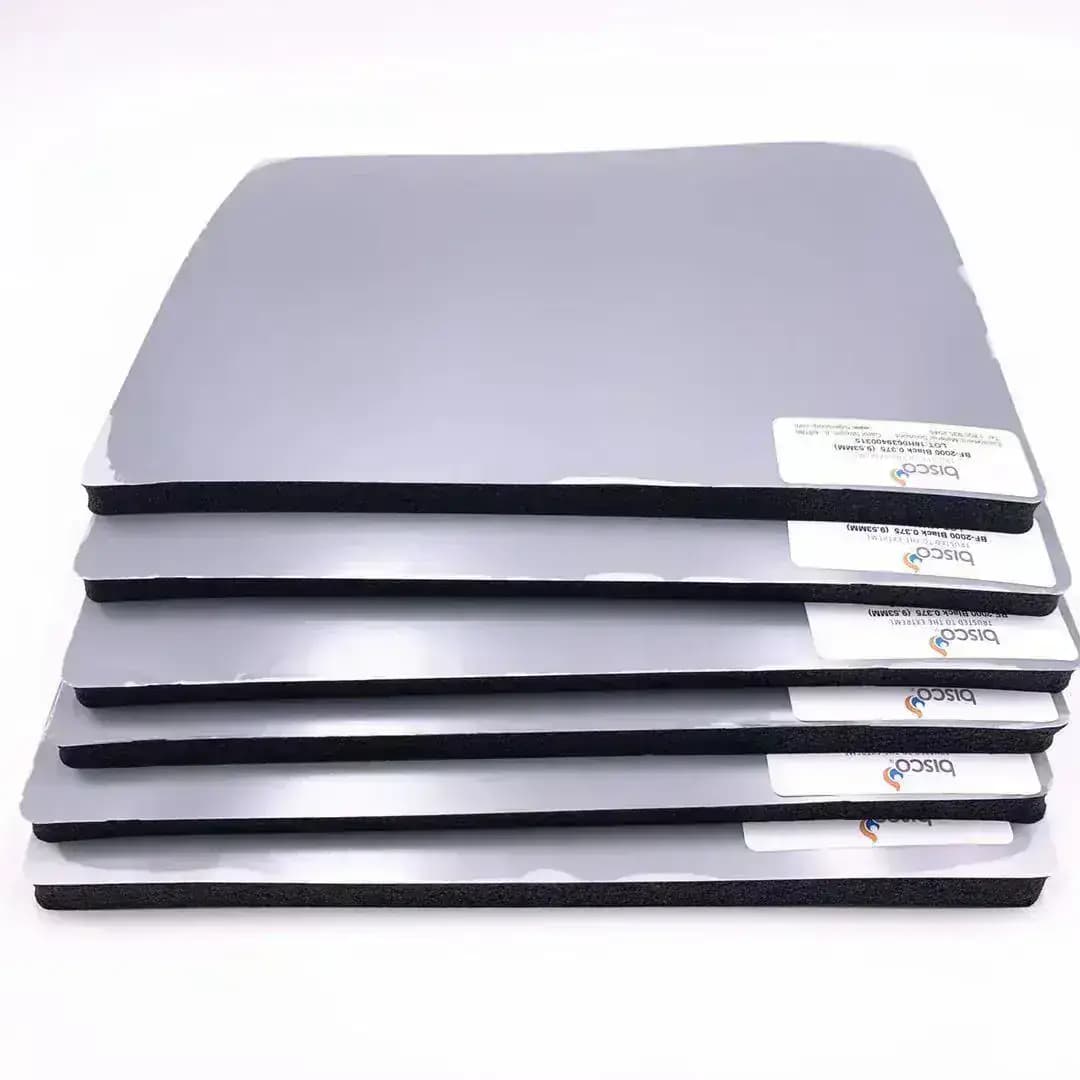
Key Property: −55°C to +200°C service, flame-retardant grades (UL94 V-0/HF-1)
Typical Substrate: Silicone elastomer
Application: EV battery pack sealing, mass transit gaskets, aerospace interiors
Closed-Cell EPDM Foam
Key Property: Outdoor weatherable, UV/ozone resistant, water-tight closed cells
Typical Substrate: EPDM rubber
Application: HVAC duct sealing, automotive body seam sealing, outdoor enclosures
Neoprene / Nitrile Foam
Key Property: Oil and fuel resistance, moderate temperature range
Typical Substrate: Polychloroprene / NBR
Application: Engine bay gaskets, fluid handling equipment, industrial seals
Cross-linked PVC Structural Foam
Key Property: High strength-to-weight, dimensionally stable up to 80°C
Typical Substrate: Cross-linked PVC
Application: Composite sandwich panels for marine, transport, wind blade cores
Selection Decision Factors
Cell Structure
Closed-cell for moisture/air/dust sealing and dimensional stability under compression. Open-cell for acoustic absorption and free air flow — rarely used for gasketing.
Compression Set
How much thickness is permanently lost after extended compression. <10% after 22h @70°C is the bar for precision sealing — PORON and BISCO meet it; commodity EPDM does not.
Temperature & Chemical Exposure
Silicone foam (−55 to +200°C) for EV battery and aerospace, EPDM for outdoor weather, neoprene/nitrile when oil or fuel contact is possible. PU foam is limited to ~90°C continuous.
Density Grade
Lower density (firm 2–8 lb/ft³) for cushioning and shock absorption; higher density (15–40 lb/ft³) for sealing force and structural support. Density also drives compression-deflection curves.
Flame-Retardant Requirement
Battery, aerospace, and mass-transit applications require UL94 V-0 or HF-1 rated foam. Silicone grades (BISCO HT-800/820) and specialty FR-treated PU foams qualify.
Related Products
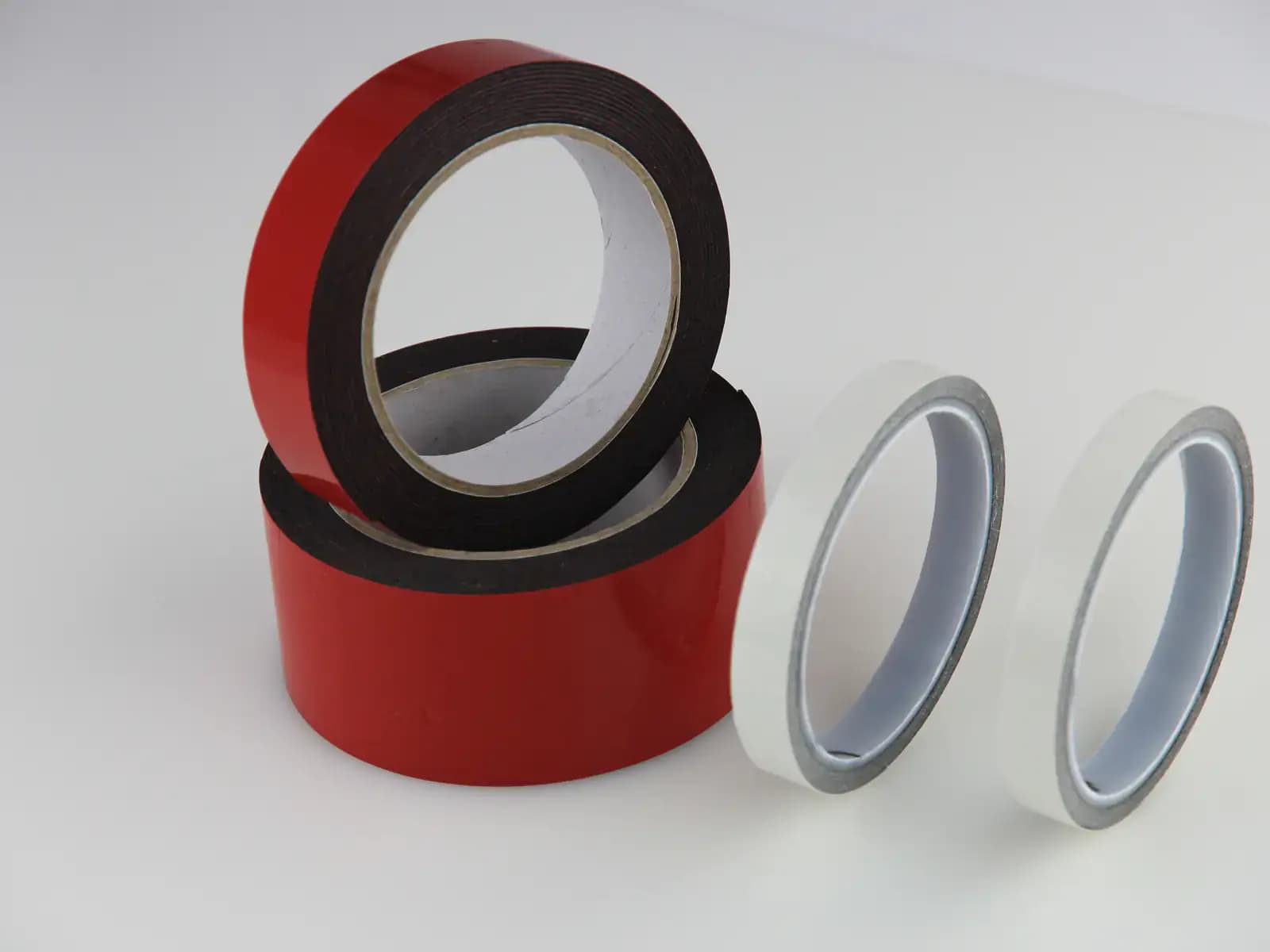
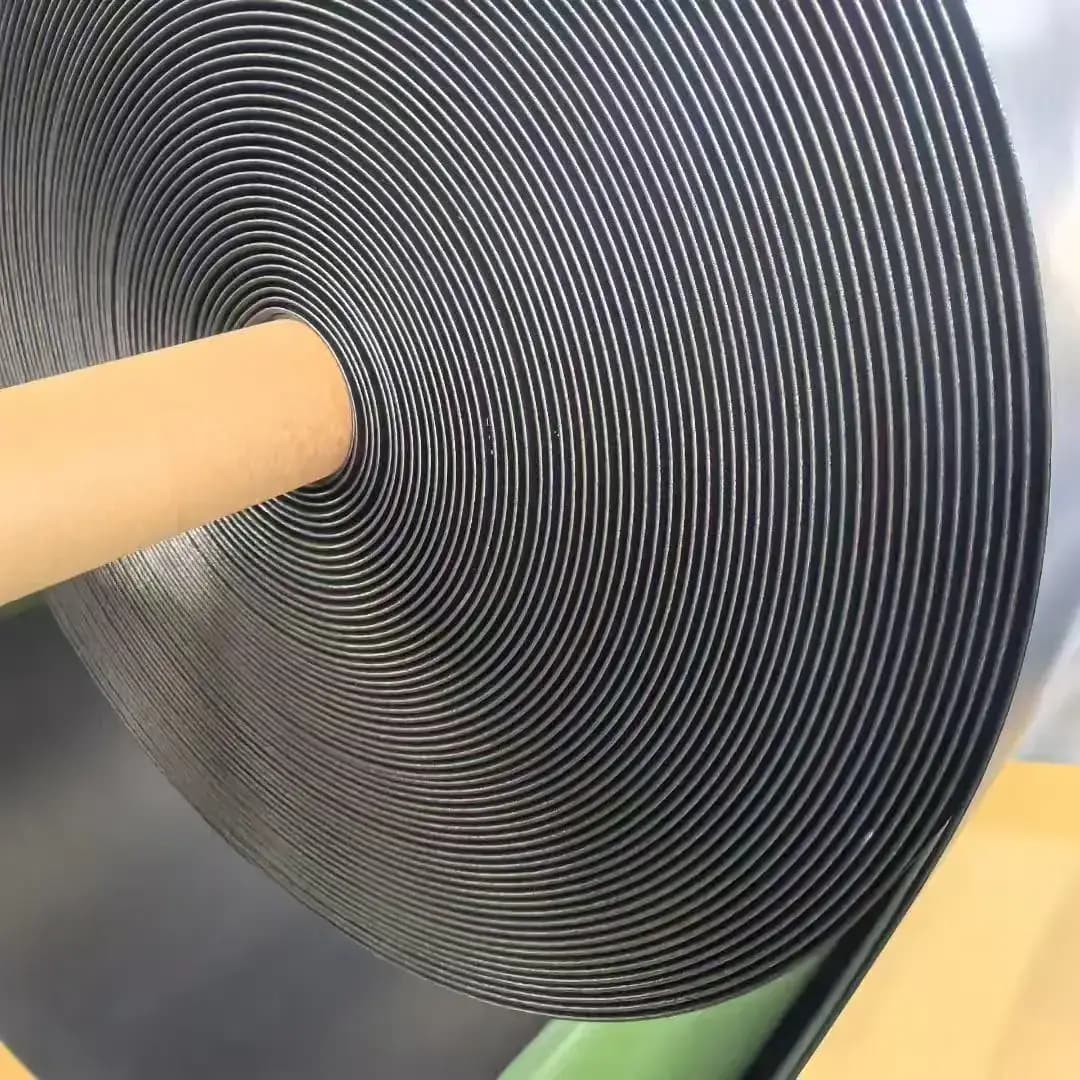
Below are foam and elastomer products supplied and converted by ALS Tape — each links to the product page with full specs, thickness range, density grades, and converting options.
FAQ
What makes PORON foam different from standard polyurethane foam?
PORON microcellular PU has a very fine, uniform cell structure that delivers consistent compression set resistance over millions of cycles. Standard PU foam loses recovery performance under repeated compression, which is why PORON is the default choice for precision sealing in electronics, smartphone, and medical applications.
When is closed-cell foam required over open-cell foam?
Closed-cell foam is required when the application needs moisture resistance, air or gas sealing, and dimensional stability. Open-cell foam is used primarily for acoustic absorption and low-resistance air flow. Almost all gasketing and sealing applications need closed-cell.
Can foam materials be supplied with adhesive backing?
Yes. Foam can be laminated with pressure-sensitive adhesive on one or both sides during converting, enabling direct mounting without additional bonding materials. ALS Tape commonly supplies PORON and BISCO with 3M VHB or acrylic transfer adhesive backing.
How do I choose between PORON and BISCO silicone foam?
PORON is the better choice for room-temperature electronics, smartphone, and medical sealing where compression set and millions-of-cycles recovery matter. BISCO silicone is required when service temperature exceeds 90°C, when flame-retardant rating is needed, or when chemical resistance to fuels and acids is critical — typical for EV batteries, aerospace, and mass transit.
Material Inquiry
Foams & Elastomers
Closed-cell elastomeric foams, PORON microcellular PU, BISCO silicone, and structural core foams for sealing, cushioning, vibration damping, and composite applications.