 1 / 2
1 / 2PORON PU Foam
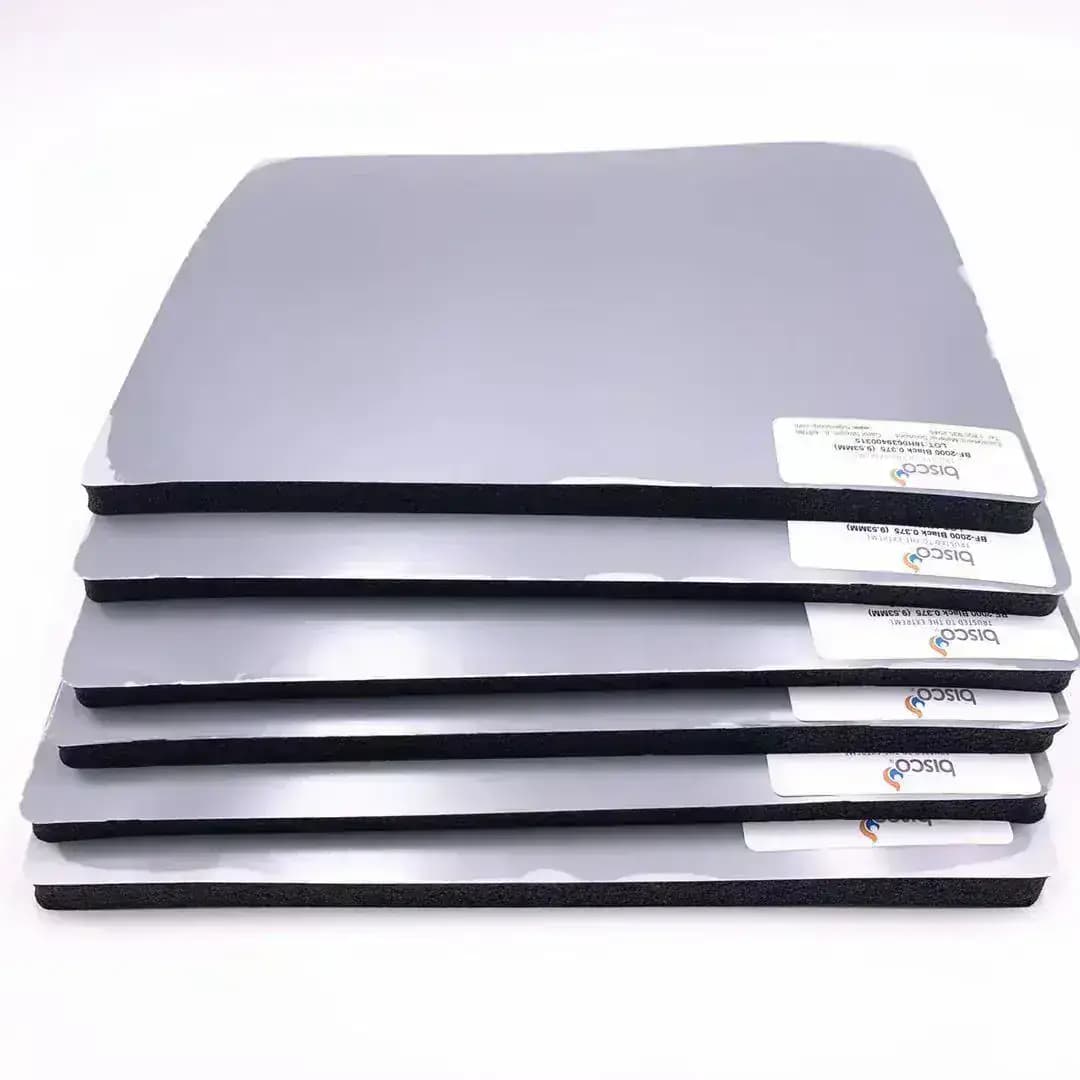
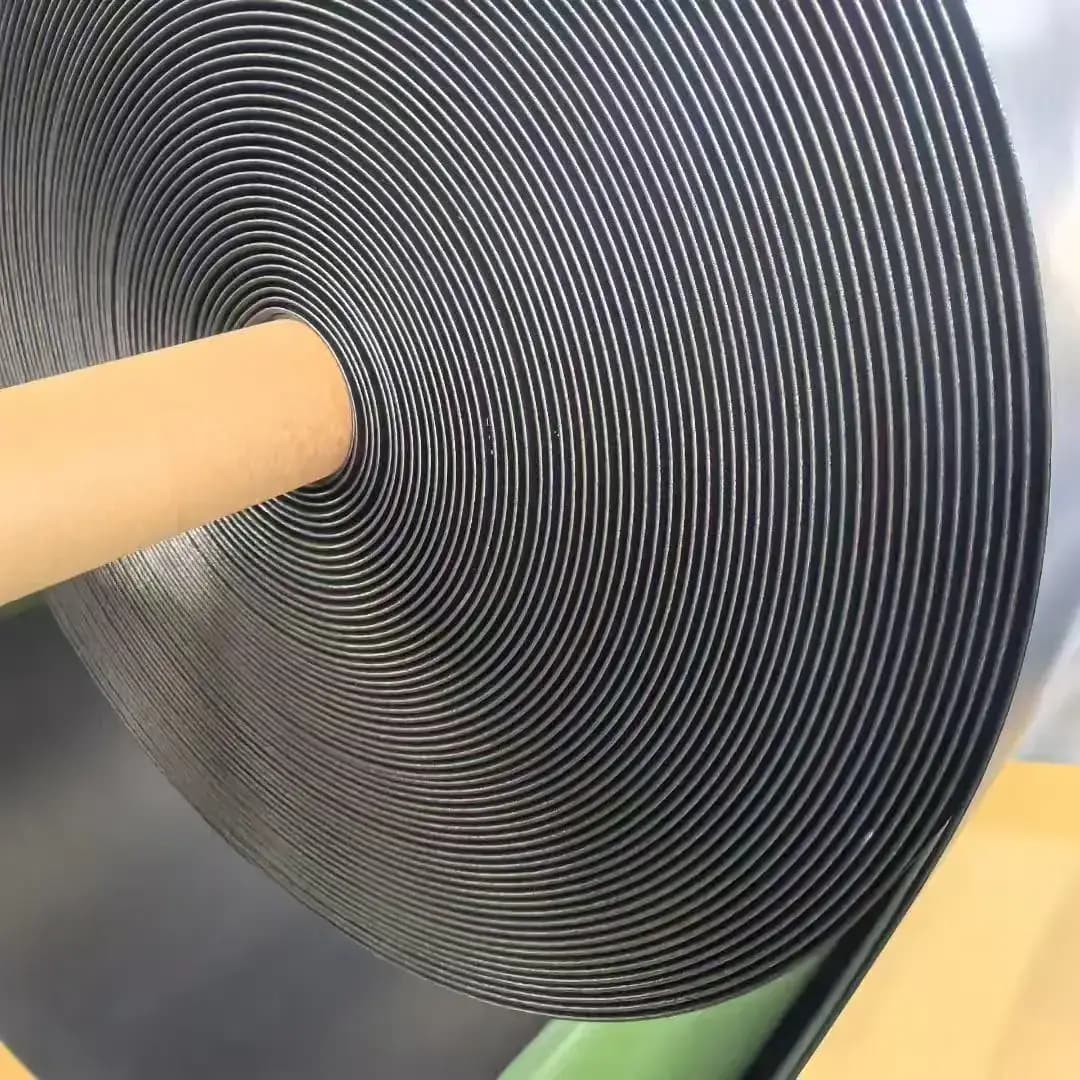
Rogers PORON microcellular polyurethane foam for gasketing, sealing, cushioning, and vibration management — 2–90 psi modulus range, 0.012" to 0.500" thickness, inherently flame retardant.
Material Type
PORON microcellular polyurethane (PU) — Rogers Corporation
Modulus Range
2–90 psi @ 25% deflection — from very soft cushioning to firmer sealing grades
Thickness Range
0.012" to 0.500" (0.30 mm to 12.7 mm)
Flame Standards
UL HBF, MVSS 302 — inherent flame retardancy, no additives
Overview
ALS Tape supplies Rogers PORON microcellular urethane foam for industrial gasketing, sealing, cushioning, and vibration management applications. PORON is an engineered polyurethane material built for durable long-term compression performance — it resists compression set far better than conventional foams, which means gaskets and seals maintain their sealing force over the product lifetime without permanent deformation. The material contains no plasticizers and no residual chemicals that outgas, fog, or corrode metal contact surfaces, making it suitable for optical, electronic, and precision equipment enclosures. Inherent flame retardancy (without additives) meets UL HBF and MVSS 302 standards. The wide modulus range (2–90 psi at 25% deflection) and available thickness from 0.012" to 0.500" (0.30 mm to 12.7 mm) support a broad range of design requirements. PORON die-cuts cleanly and works with a broad range of adhesive systems.
Category Focus
Rogers Materials
Rogers PORON microcellular PU foam and BISCO silicone for precision sealing, cushioning, and thermal management.
Key Features
Excellent Compression Set Resistance — Maintains sealing force and gasket geometry over long service life without permanent deformation. Critical for enclosures, connectors, and assemblies that must seal reliably over years.
Low-Outgassing, Non-Fogging, Non-Corrosive — Contains no plasticizers or residual chemicals. Will not fog optical surfaces, contaminate electronic devices, or corrode metal contact areas.
Inherent Flame Retardancy — Meets UL HBF and MVSS 302 fire standards without the use of flame-retardant additives, avoiding contamination concerns common in additive-treated foams.
Wide Modulus Range (2–90 psi @ 25% deflection) — Engineered urethane formulations span from very soft to firmer grades, supporting cushioning-critical and sealing-critical designs within the same material family.
Thickness Range 0.012" to 0.500" (0.30 mm to 12.7 mm) — Available across a broad thickness range to match compression gap and housing geometry in tight-tolerance assemblies.
Die-Cuts Cleanly — Compatible with precision die-cutting, works with a broad range of adhesive bonding systems, and supports laminated adhesive constructions for direct assembly use.
Applications
Electronic and industrial equipment enclosure gasketing and environmental sealing
Precision instrument cushioning and vibration isolation in sensitive device assemblies
Optical equipment sealing where outgassing and fogging must be eliminated
Automotive and industrial equipment dust seals, shock mounts, and compression pads
LED and display module sealing and light-blocking gaskets
Die-cut adhesive-backed gaskets and seals for assembly-line direct integration
FAQ
What makes PORON foam different from standard urethane foam?
PORON is a microcellular urethane — the cell structure is extremely fine and uniform compared to standard blown polyurethane foam. This difference in cell architecture is what drives PORON's defining characteristic: very low compression set. Standard urethane foam permanently deforms after sustained compression, losing sealing force over time. PORON maintains over 95% of its original thickness after long-term compression cycling, which means gaskets and seals hold their load-bearing geometry and sealing force across years of service life. PORON also contains no plasticizers or processing residuals, eliminating the outgassing and fogging that disqualify standard foam from optical and precision electronics applications.
What is the compression set performance of PORON foam?
PORON microcellular urethane foam achieves compression set values below 5% under standard test conditions — meaning the foam recovers more than 95% of its original thickness after being held at 25% deflection. Standard polyurethane foams typically show 20–40% compression set under similar conditions. This low compression set is the primary reason PORON is specified for long-life gasketing and sealing applications where the gasket must maintain its sealing force without replacement over the product service life.
Does PORON foam meet UL or other flame retardancy standards?
Yes. PORON foam achieves inherent flame retardancy — it meets UL HBF and MVSS 302 fire standards without the use of flame-retardant additives. This is an important distinction: foams that use chemical additives to achieve flame ratings can release those additives over time through outgassing or contact transfer, which can contaminate optical surfaces, corrode electrical contacts, or affect adjacent materials. PORON's flame retardancy is built into the polymer structure, avoiding these concerns for sensitive electronics and precision applications.
What thickness range is available for PORON foam?
PORON is available in thicknesses from 0.012" (0.30 mm) to 0.500" (12.7 mm). Thin grades (0.012"–0.031") are used for low-profile electronics enclosure sealing and precision instrument gasketing. Mid-range grades (0.062"–0.125") cover most general industrial gasketing and cushioning applications. Thicker grades (0.187"–0.500") are used for structural gap filling, vibration isolation mounts, and shock-cushioning applications where significant deflection travel is required. Multiple durometer grades (2–90 psi at 25% deflection) are available across the thickness range.
Can PORON foam be die-cut into custom gasket profiles?
Yes. PORON foam die-cuts cleanly and holds tight tolerances compared to most foam materials. Standard die-cutting tolerances are ±0.2 mm on outer dimensions and ±0.15 mm on hole positions. Precision flatbed tooling can achieve ±0.1 mm for critical sealing geometries. PORON accepts a wide range of adhesive systems, including acrylic PSA lamination for peel-and-stick gasket application — the foam can be supplied with adhesive on one or both faces. Provide a DWG, DXF, or PDF with dimensions and we will quote the tooling and per-piece cost.
Is PORON suitable for use in optical or precision instrument enclosures?
Yes, and this is one of the primary reasons PORON is specified over commodity foam in these applications. PORON contains no plasticizers, no residual chemicals from blowing agents, and no additives that outgas under temperature cycling. This eliminates the risk of fogging optical surfaces (lenses, windows, sensors), corroding metal contact areas, or contaminating precision sensor elements. Combined with its low compression set, these properties make PORON the standard choice for camera modules, optical instruments, measurement equipment, and medical device enclosure sealing where contamination is not acceptable.
Related Capabilities
Technical Guides
Need Pricing or Material Advice?
Align Material Selection and Converting Faster
Tell us your material, dimensions, and application. We can support sourcing, converting, and custom fabrication.