Metal Foils & Plastic Films
Aluminum and copper foils, BOPET, BOPP and metallized films for barrier, EMI shielding and reflective insulation
Converting Options
Material Overview
Foil and film selection comes down to what role the layer plays — barrier, conductor, structural carrier, or reflector — and how the cost of solid metal compares to the lighter, cheaper metallized alternative. Solid aluminum and copper foils give absolute barrier and full conductivity; BOPET and BOPP give mechanical strength and clarity; metallized films bridge the two with thin vacuum-deposited metal on plastic. This page is a navigation entry into the foil and film products ALS Tape supplies and converts — use the comparison table to identify the substrate class, then jump to the product page for thickness, coating, and converting options.
Sub-type Comparison
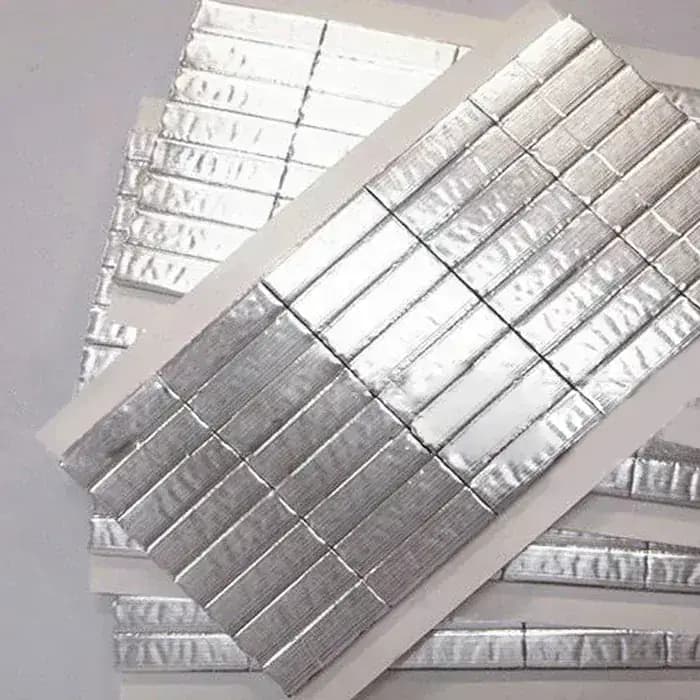
Aluminum Foil
Key Property: Absolute light/oxygen/moisture barrier, dead-fold conformability, thermal reflective
Typical Substrate: Soft-temper aluminum, 6 µm to 200 µm
Application: EMI shielding tape, thermal insulation facing, reflective radiant barrier
Copper Foil
Key Property: High electrical conductivity, solderable to standard solders
Typical Substrate: Electrolytic or rolled-annealed copper, 9 µm to 100 µm
Application: Flexible PCB, grounding straps, conductive EMI shielding tape
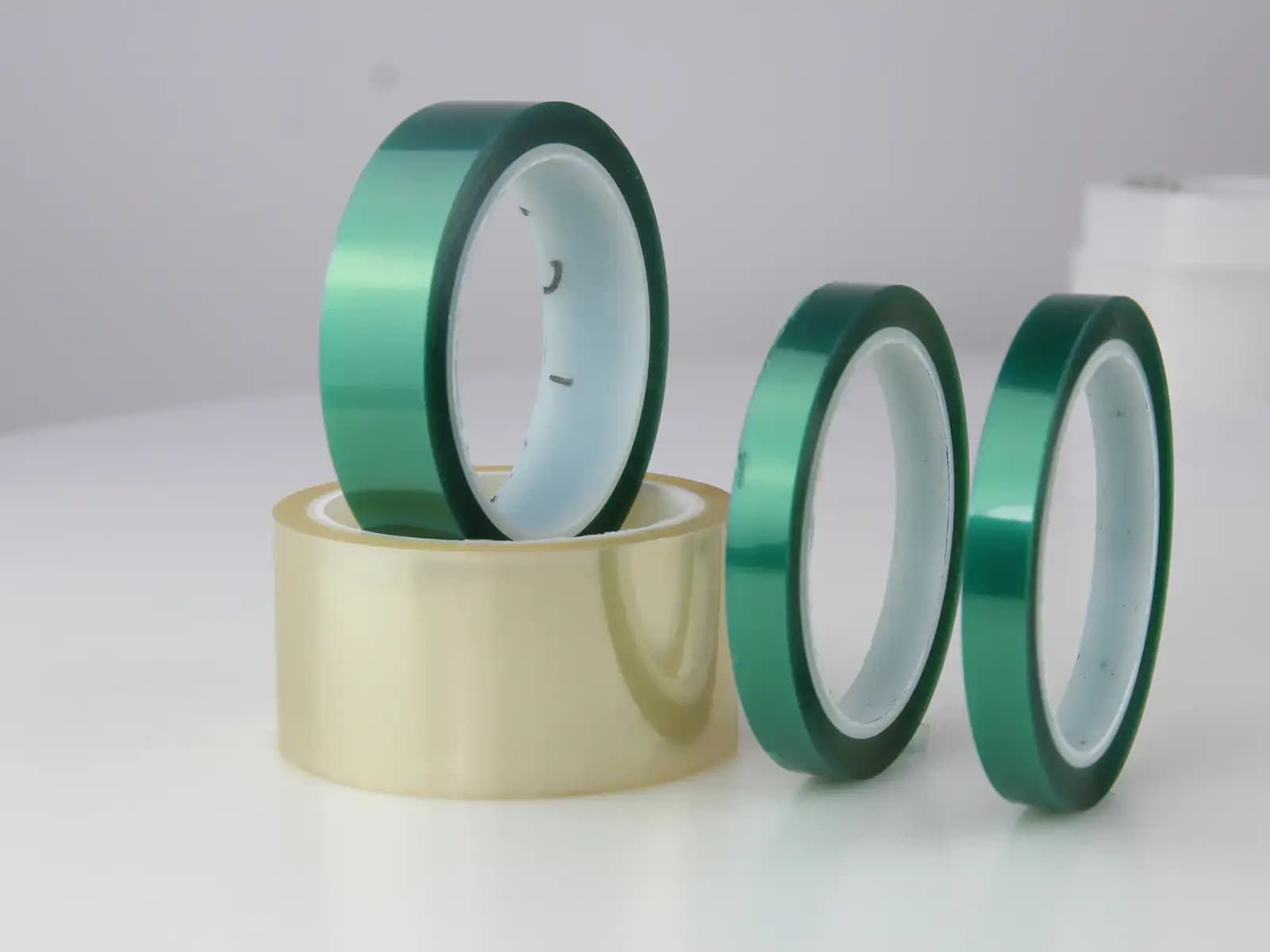
BOPET (Mylar)
Key Property: Tensile strength up to 200 MPa, dielectric strength 7 kV/mil, dimensionally stable
Typical Substrate: Biaxially oriented polyester film
Application: Capacitor dielectric, label face stock, electrical insulation, lamination carrier
BOPP
Key Property: Excellent moisture barrier, optical clarity, low cost
Typical Substrate: Biaxially oriented polypropylene film
Application: Packaging, food contact, label face stock, masking film
Metallized PET / BOPP
Key Property: EMI shielding effectiveness >60 dB, much lighter and cheaper than solid foil
Typical Substrate: Vacuum-deposited aluminum on PET or BOPP
Application: Flexible packaging barrier, lightweight EMI shielding, reflective insulation facing
Selection Decision Factors
Barrier Requirement
Solid aluminum foil for absolute barrier (zero permeability to O₂, H₂O, light); metallized PET/BOPP for ~99% barrier at a fraction of the cost; uncoated BOPET/BOPP for partial moisture barrier. Pharmaceutical and electronics packaging often demands solid foil; food packaging usually accepts metallized.
Conductivity & Solderability
Copper for solderable EMI shielding paths and PCB traces; aluminum for non-soldered shielding (lower cost, higher thermal reflectivity); metallized films for low-current static discharge and lightweight shielding only. Aluminum cannot be soldered with standard SnPb or SAC solders.
Mechanical Performance
BOPET when tensile strength and dimensional stability matter (capacitors, labels, lamination carriers). BOPP when low cost and moisture barrier dominate. Foil when conformability and dead-fold are required — it stays where you bend it.
Functional Coatings
Silicone release coating for converting and PSA carriers; antistatic treatment for electronics handling; primer coatings for adhesive coating and lamination compatibility; corona treatment for printability. Decide coating needs at substrate selection — retrofitting later is expensive.
Cost vs Performance
Solid foil costs 5–20× metallized film for similar shielding effectiveness — justified only when full barrier or full conductivity is required. BOPP is the cost floor for plastic film; BOPET is 2–3× more for higher mechanical performance.
Related Products
Below are foil and film products supplied and converted by ALS Tape — each links to the product page with full specs, thickness range, coating options, and converting capabilities.
FAQ
What is the difference between aluminum foil tape and metallized film?
Aluminum foil tape uses solid aluminum foil as the substrate — full metallic barrier, dead-fold conformability, and high conductivity. Metallized film uses a very thin vacuum-deposited aluminum layer on plastic — much lighter, more flexible, lower cost, but with reduced conductivity and barrier. Choose solid foil for hard EMI requirements; metallized for cost-driven barrier packaging or lightweight shielding.
When is copper foil tape used instead of aluminum?
Copper foil tape is used when solderability is required, or when the EMI shielding path needs a soldered ground connection. Aluminum cannot be soldered with standard tin-lead or SAC solders, making copper the standard for electronics EMI shielding requiring electrical contact. Aluminum remains the choice for non-soldered shielding because it is cheaper and reflects thermal radiation better.
Can plastic films be supplied with functional coatings?
Yes. BOPET and BOPP films are available with silicone release coatings, antistatic treatments, primer coatings, and corona treatment to support downstream converting, lamination, adhesive coating, and printing. Specifying coating needs at the film selection stage avoids costly secondary processing.
What thickness of aluminum foil is typical for EMI shielding tape?
EMI shielding tape commonly uses 0.05 mm (50 µm) or 0.07 mm (70 µm) aluminum foil with conductive acrylic adhesive. Thinner foils (down to 9 µm) are used when conformability matters more than mechanical durability; thicker foils (up to 200 µm) are used for grounding straps and bus-bar shielding where mechanical robustness dominates.
Material Inquiry
Metal Foils & Plastic Films
Metal foils (aluminum, copper) and plastic films (BOPET, BOPP, metallized PET) for barrier packaging, EMI shielding, thermal management, and reflective insulation applications.