Applications by Industry
Electronics & Enclosures
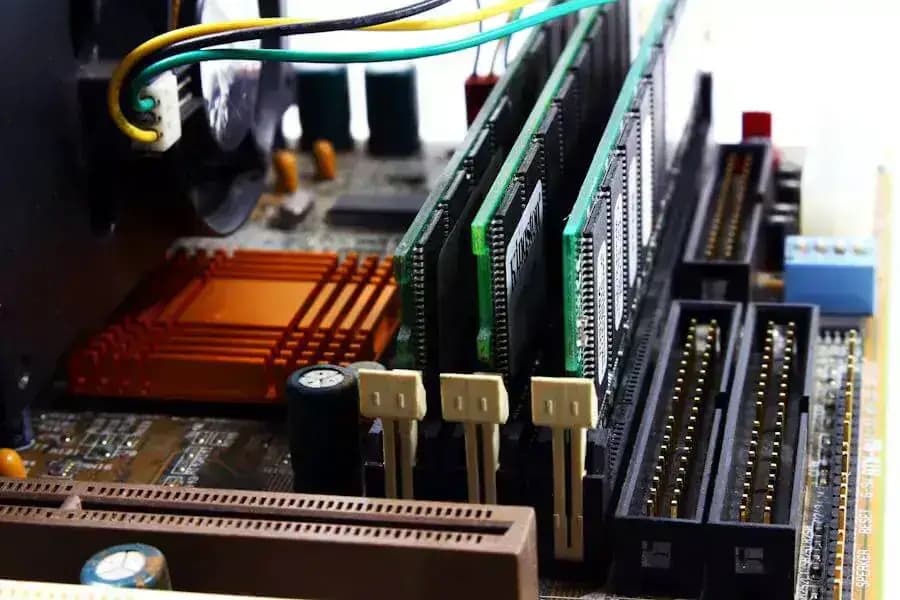
Protection films, bonding tapes, thermal materials, and converted adhesive parts for electronics assembly and enclosure manufacturing.
Application Snapshot
Surface protection during assembly and shipment
Lamination and bonding for enclosure parts
Precision die-cut adhesive components
Protection, Lamination, Thermal Control, and Clean Assembly
Electronics and enclosure manufacturers need more than a generic tape list. Typical projects combine surface protection during fabrication, thin-bondline assembly, insulation and thermal management inside the housing, and converted adhesive parts delivered to drawing dimensions. Buyers usually need materials that stay clean in handling, fit tight tolerances, and move from prototype to batch supply without adding extra converting coordination. In practice, the market problem is not just material sourcing. It is the ability to connect enclosure build requirements to the right material family, converted geometry, liner handling, and line-side installation logic.
ALS Tape Fit
Materials and Converting Aligned to Enclosure Builds
ALS Tape supports electronics and enclosure production with PET protection film, double sided tape, VHB tape, thermal solution materials, electronic films, and precision die cutting. Procurement and engineering teams can connect a housing requirement directly to material choice, converted part format, and downstream assembly handling — without managing separate sourcing and converting vendors.
Key Applications
Surface Protection During Fabrication
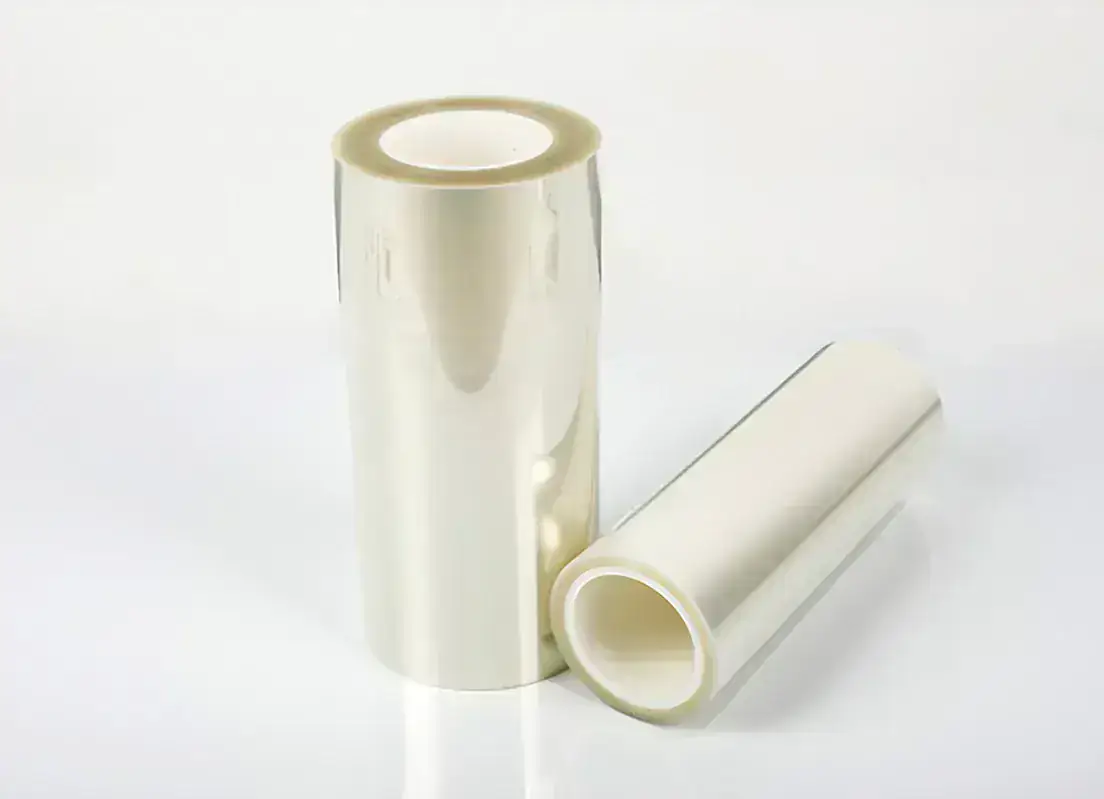
PET protection film applied to panels, covers, bezels, and housings during stamping, CNC, forming, coating, and transport reduces scratches, contamination, and cosmetic rejects. Clean-peel formats support removal at final assembly without residue or visible marking.
Enclosure and Panel Bonding
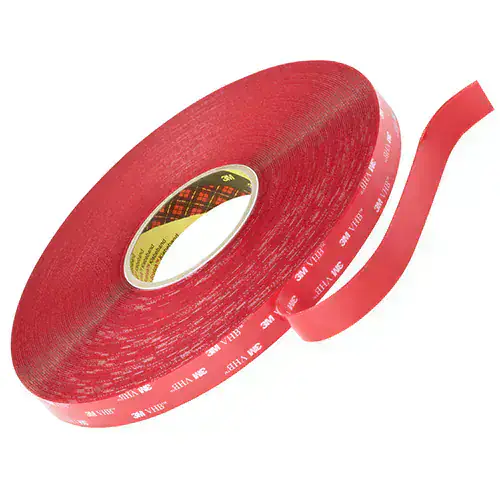
Double sided tape, transfer constructions, and selected VHB grades bond enclosure panels, brackets, bezels, and mounting frames without visible fasteners. Material selection depends on bondline thickness, substrate type, heat exposure, and whether the assembly also needs converted adhesive geometry.
Thermal and Converted Internal Parts
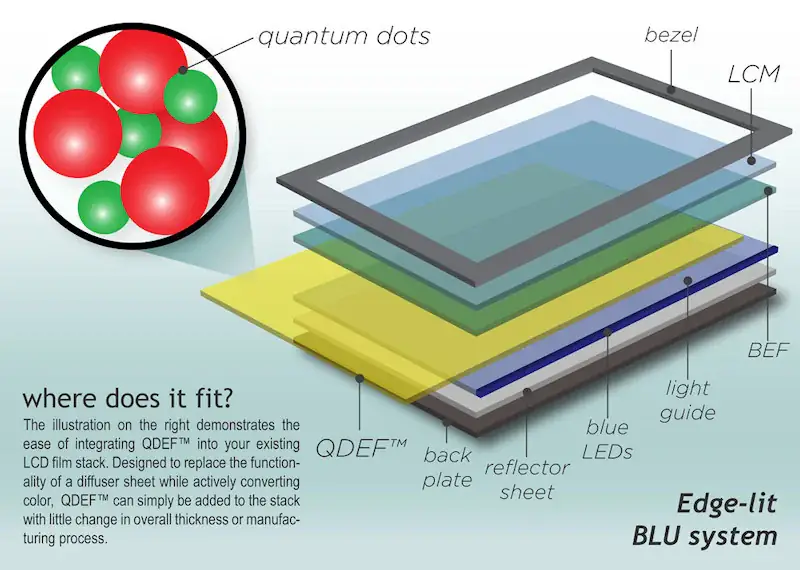
Electronics housings often need more than external bonding. Thermal interface materials, insulation films, and die-cut adhesive components help manage heat paths, isolation, and repeatable assembly positioning inside the enclosure.
Typical Materials
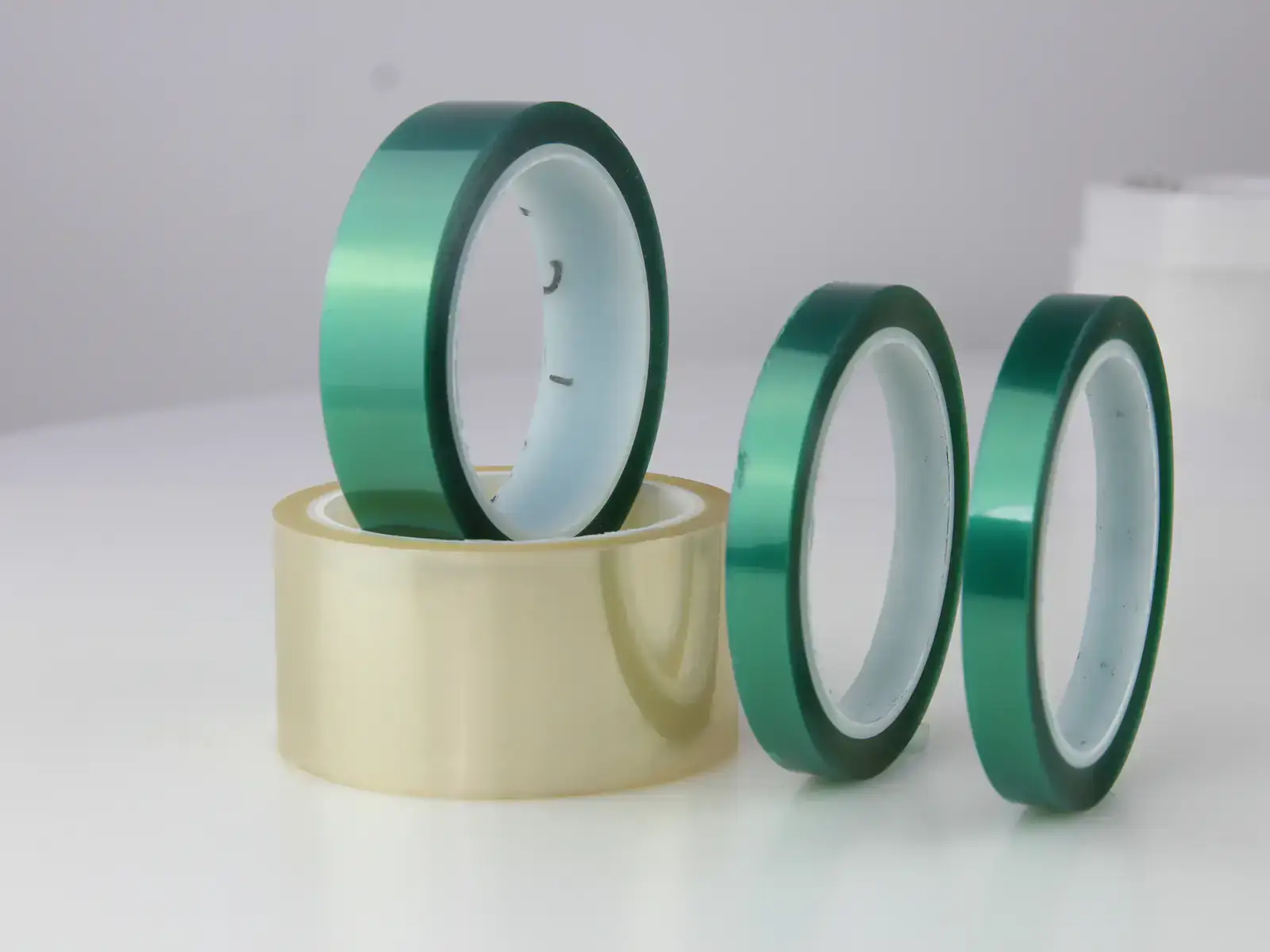
PET Protection Film
Surface protection for coated housings, panels, bezels, covers, and cosmetic parts during fabrication and shipment
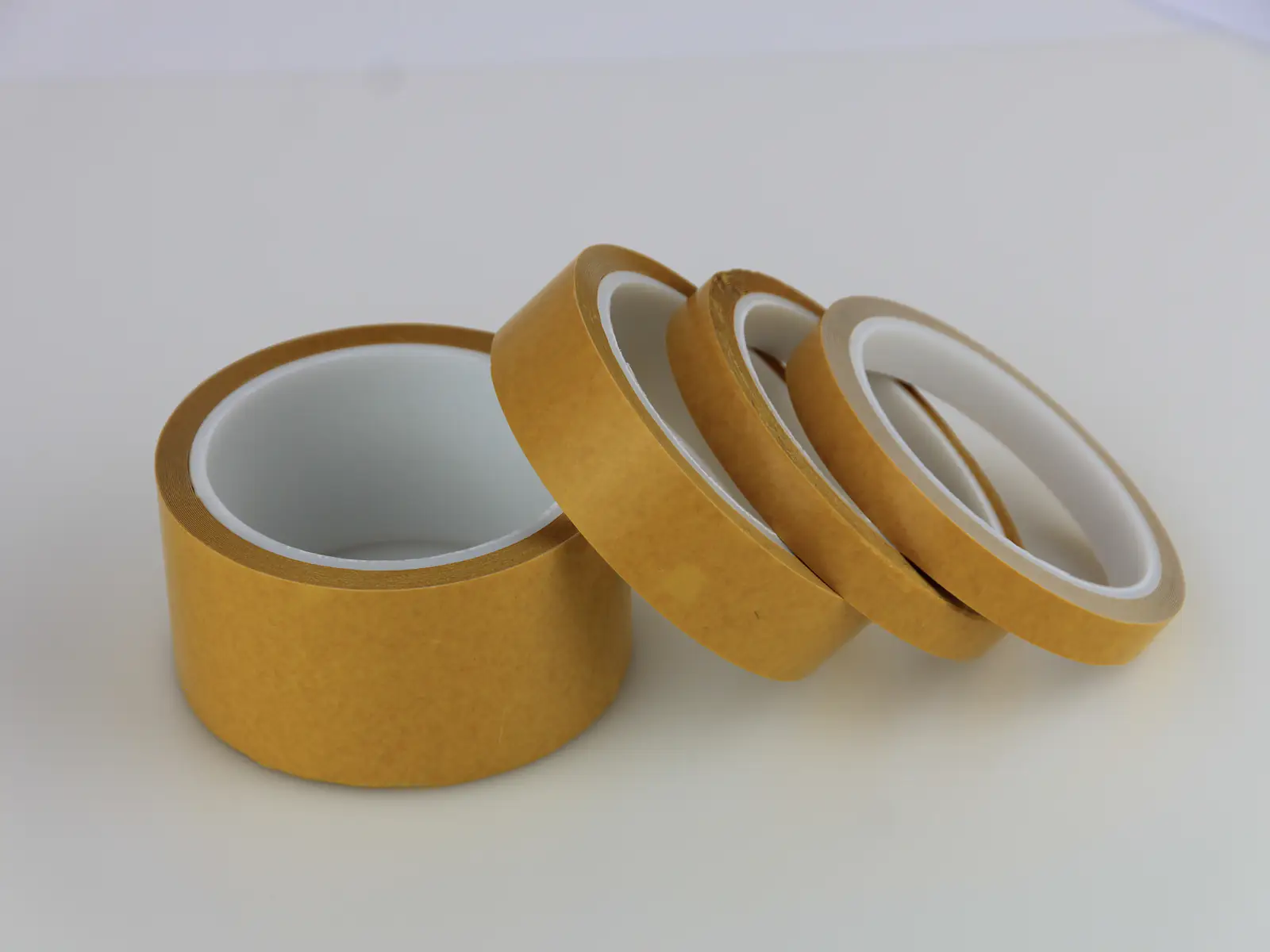
Double Sided and Transfer Tape
Thin-bondline joining for enclosure panels, brackets, decorative parts, and internal assembly fixation
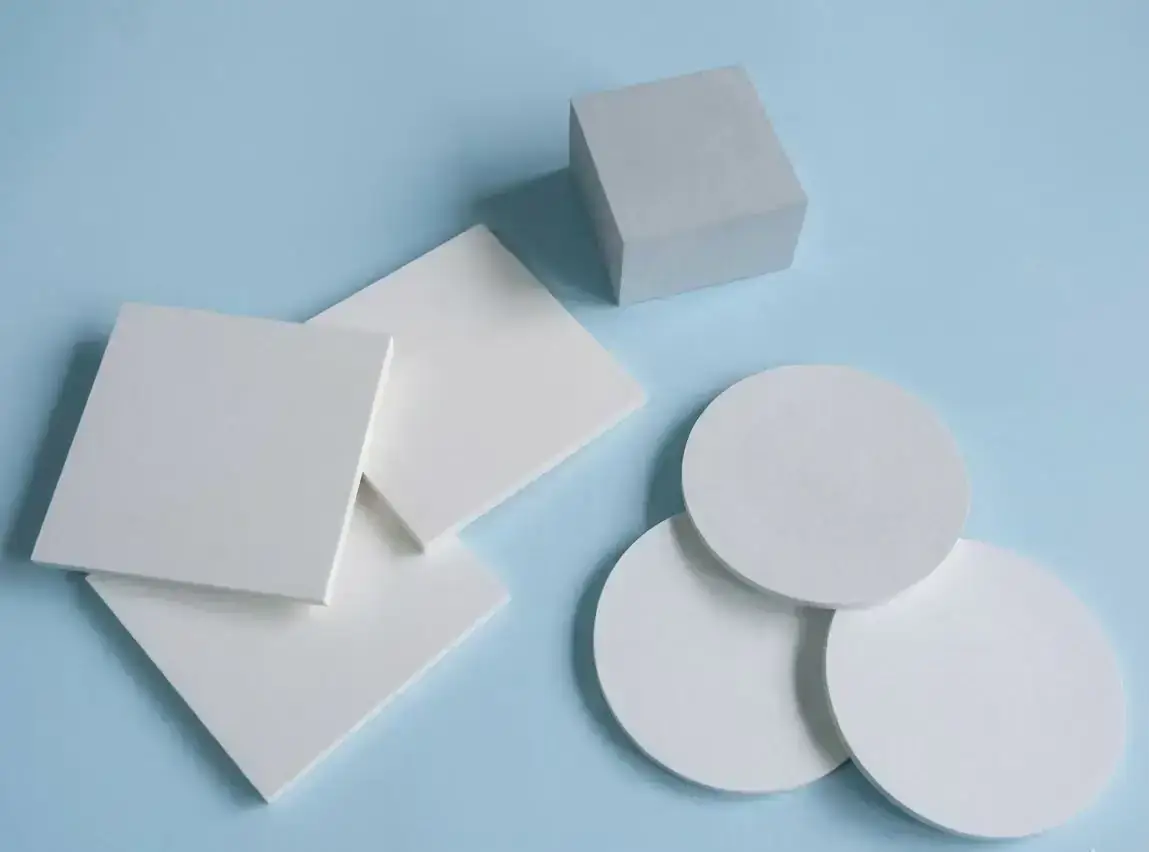
Thermal Interface Materials
Heat transfer and spreading support between electronics, housings, shields, and metal frames
Precision Die-Cut Parts
Assembly-ready adhesive pads, gaskets, frames, windows, and laminated film parts supplied to drawing
Tapes & Adhesives
Acrylic, silicone, rubber-based, and conductive adhesive materials for industrial converting.
Foils & Plastics Film
Aluminum foil, copper foil, BOPET, BOPP, and metallized film for barrier, shielding, and packaging.
Insulating Materials
DMD, NMN, Kapton, and fiberglass electrical and thermal insulation materials with converting support.
Common Procurement Requirements
- Clean-peel surface films with no adhesive residue on cosmetic parts
- Thin bondline constructions for tight enclosure and panel tolerances
- Thermal and insulation materials that fit compact device housings
- Converted parts supplied to drawing dimensions and liner-handling requirements
- Batch traceability and compliance documentation on request
Requirement to Material and Capability Mapping
Production Need
Protect painted, coated, or polished enclosure surfaces during fabrication and shipment
Material Direction
PET protection film with clean removal and stable handling
Capability
Slitting and custom roll formats for line-side application
Assembly Outcome
Lower cosmetic scrap and cleaner final removal
Production Need
Bond panels, bezels, and brackets without visible hardware
Material Direction
Double sided tape, transfer tape, or selected VHB tape
Capability
Precision die cutting for pads, strips, windows, and frames
Assembly Outcome
Cleaner appearance and faster enclosure assembly
Production Need
Manage internal heat paths in compact electronics housings
Material Direction
Thermal solution materials and heat-spreading structures
Capability
Converted thermal parts matched to stack-up and geometry
Assembly Outcome
More controlled thermal fit inside the enclosure
Production Need
Install adhesive and film parts directly at assembly without extra trimming
Material Direction
Laminated adhesive, insulation, and protective film constructions
Capability
Rotary or flatbed die cutting with drawing-based delivery
Assembly Outcome
Assembly-ready components with better repeatability
Production Need
Hold tight tolerances across compact device builds and multi-layer stacks
Material Direction
Functional films, insulation layers, and converted adhesive constructions
Capability
Multi-layer lamination and precision converting for complex geometries
Assembly Outcome
More stable assembly fit and less rework in compact housings
Recommended Products
FAQ
What materials are commonly used in electronics and enclosure assembly?
Common materials include PET protection film, double sided tape, transfer adhesives, VHB tape for selected mounting zones, thermal interface materials, insulation films, and die-cut adhesive components.
Why is precision die cutting important for electronics enclosures?
Electronics housings usually require repeatable adhesive geometry, cutouts, windows, and liner handling. Precision die cutting helps deliver assembly-ready parts instead of asking the customer to trim standard roll material in-house.
Can ALS Tape support both protection film and internal bonding parts for the same project?
Yes. ALS Tape can support surface protection materials, bonding tapes, thermal materials, and converted adhesive parts within the same enclosure-related project scope when the build requires multiple material functions.
How should buyers use this page together with VHB Tape, Thermal Solution, and Precision Die Cutting?
Use this market page to define the enclosure build problem first. Then review VHB Tape for external or structural attachment zones, Thermal Solution for internal heat-path management, and Precision Die Cutting when the material must be delivered in installation-ready geometry.
What compliance documentation is available for electronics enclosure materials?
Compliance documentation including RoHS declarations, REACH statements, and material safety data sheets is available on request. Batch traceability documentation can also be provided for regulated assembly programs.