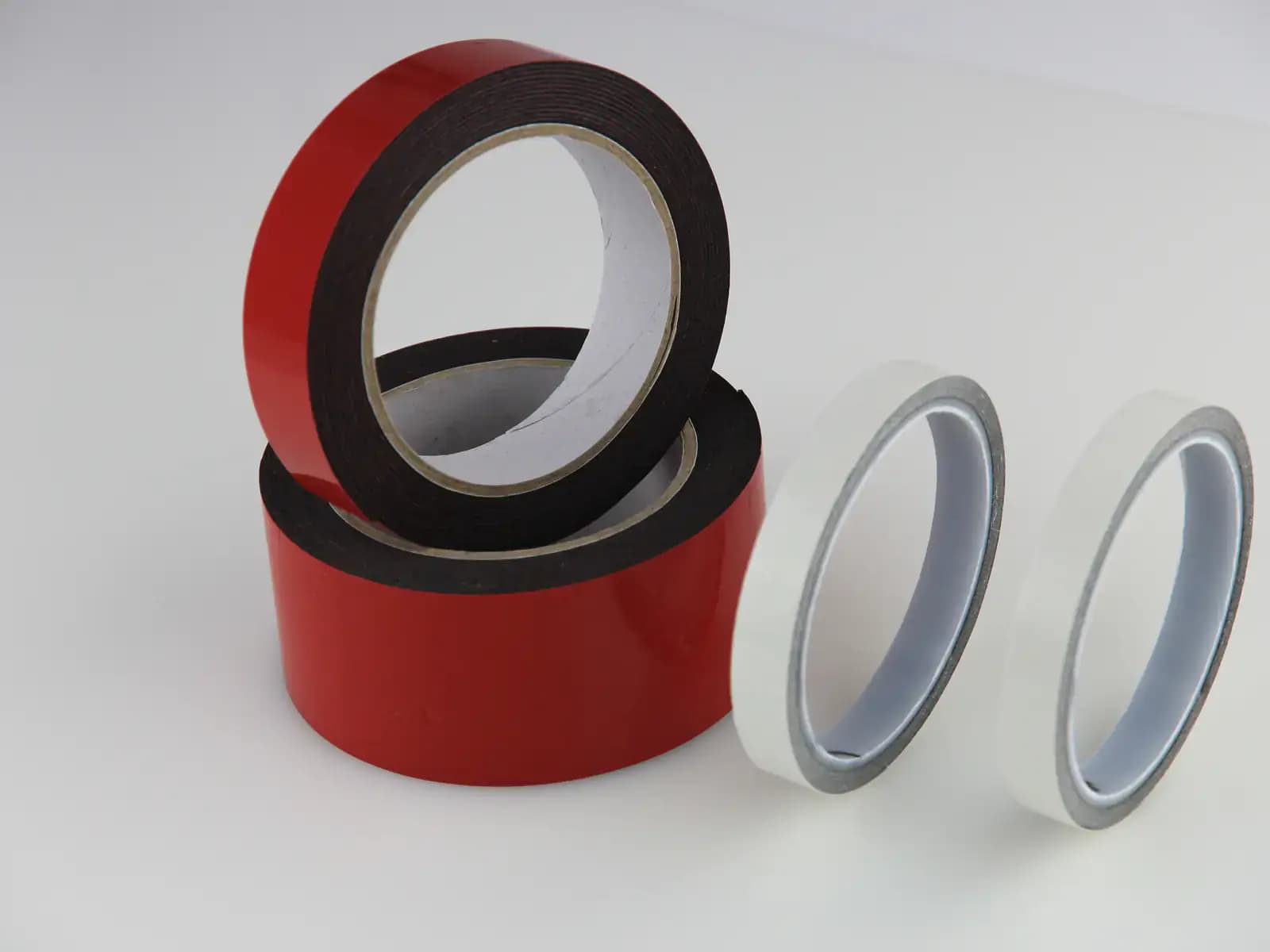
Foam Tape
3M foam tape for sealing, mounting, cushioning, and gap filling — open-cell urethane for vibration damping and electronics, or closed-cell vinyl for weather sealing and outdoor durability.
Foam Types
Open-cell urethane (cushioning/damping) / Closed-cell vinyl (weather sealing/outdoor)
Firm Urethane Temp
Up to 350°F (176°C) short-term — 4104 series
Vinyl Foam Temp
Up to 250°F (121°C) short-term
UL Compliance
UL 94HBF — multiple vinyl and urethane foam grades
Overview
ALS Tape supplies 3M foam tapes in two primary structural types, each suited to different performance requirements. Open-cell urethane foam (4314/4317/4318 charcoal gray series) is soft and conformable, allows air and gas vapor to pass through, and is used for electronics vibration damping, audio cavity sealing, and cushioning applications. Firm open-cell urethane foam (4104/4108/4116 natural white series) provides more rigid cushioning support at temperatures up to 350°F (176°C) short-term. Closed-cell vinyl foam (4504/4508/4516 and 4714/4718/4726 black series) is durable, flexible, and weather-resistant — it seals against dust, light, and moisture when compressed at least 30%. Multiple vinyl foam grades meet UL 94HBF flame requirements for electronics enclosure and fire-sensitive industrial applications. Both single-coated (acrylic PSA one side, liner other side) and double-coated (acrylic PSA both sides) constructions are available across urethane, vinyl, and polyethylene foam carriers. ALS Tape supports slitting and die-cutting of foam tape materials into strips, gaskets, pads, and custom converted shapes.
Category Focus
Industrial Tape
Masking, splicing, foam, and foil adhesive tapes for process protection, web handling, and production support.
View source documentKey Features
Open-Cell Urethane — Soft, conformable foam that cushions and damps vibration. Allows airflow through the foam cell structure. For electronics vibration damping, audio sealing, and light-duty cushioning.
Firm Urethane — Higher-density rigid foam for load-bearing cushioning support up to 350°F (176°C) short-term.
Closed-Cell Vinyl — Weather-resistant, flexible foam that seals against dust, light, and moisture when compressed ≥30%. For outdoor enclosures, weatherstripping, and structural gap sealing.
UL 94HBF Compliance — Multiple vinyl foam grades (4504, 4508, 4516, 4714, 4718, 4726) meet UL 94HBF flame requirements for electronics enclosure and safety-rated assemblies.
Single and Double Coated — Single-coated for liner-side application control; double-coated for bond-both-sides mounting and assembly.
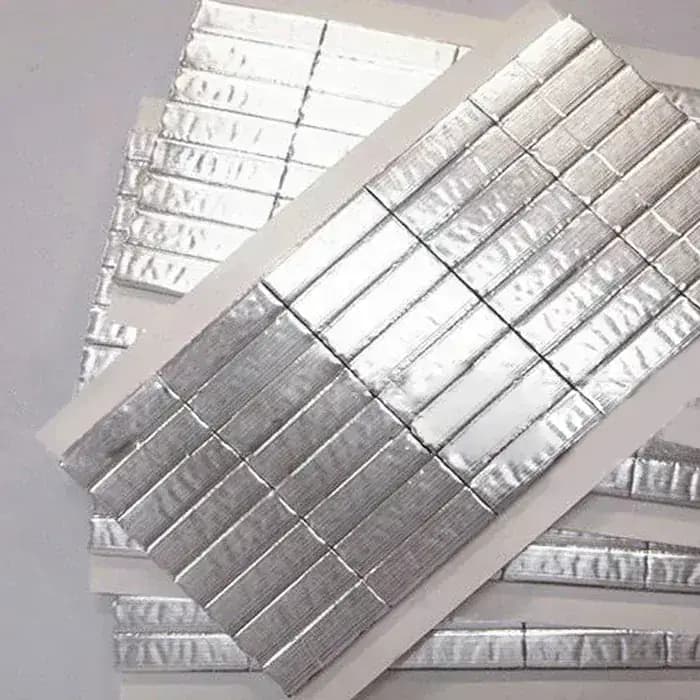
Custom Die-Cut Formats — Slit strips, die-cut gaskets, mounting pads, and custom converted foam shapes available.
Applications
Electronics vibration damping and cavity cushioning (urethane)
Enclosure sealing against dust, light, and moisture (closed-cell vinyl)
Automotive weatherstripping and gap filling
Construction window frame and joint sealing
Industrial mounting with compression and vibration isolation
Die-cut foam gaskets for UL-rated enclosure assemblies
FAQ
What is the difference between open-cell and closed-cell foam tape?
Open-cell foam has an interconnected pore structure that allows air and vapor to pass through the material. This makes it soft, conformable, and effective for vibration damping and cushioning where compression force must stay low. It is not a moisture barrier. Closed-cell foam has sealed, independent air pockets — the foam is denser, firmer, and does not absorb water. When compressed at least 30%, closed-cell vinyl foam creates a continuous barrier against dust, light, and moisture ingress. Choose open-cell urethane for vibration isolation and electronics cavity cushioning; choose closed-cell vinyl for weatherstripping, environmental sealing, and any application where moisture exclusion is required.
What temperatures can foam tape handle?
Closed-cell vinyl foam (4504/4508/4714/4718 series) is rated to 250°F (121°C) short-term. Firm open-cell urethane foam (4104/4108/4116 natural white series) handles up to 350°F (176°C) short-term — higher than vinyl, which makes it the correct choice when the assembly sees elevated process temperatures. Standard soft urethane foam (4314/4317/4318 charcoal gray series) is suited for normal operating temperature ranges without continuous high-heat exposure. Confirm the temperature profile of your application before selecting a grade.
Which foam tape grades meet UL fire safety standards?
Multiple vinyl foam grades in the 4504, 4508, 4516, 4714, 4718, and 4726 series meet UL 94HBF (horizontal burn) flame requirements. These grades are specified for electronics enclosure assemblies and fire-sensitive industrial applications where UL compliance is required by the end product specification. The urethane foam grades (4104, 4314 series) do not carry UL 94HBF ratings — confirm whether your application requires flame certification before selecting foam type.
Can foam tape be die-cut into custom gasket shapes?
Yes. Urethane and vinyl foam rolls and sheets can be die-cut into custom gaskets, cushioning pads, mounting strips, and complex shapes with holes, slots, and cut-outs. ALS Tape supports soft-tooling for prototype quantities and hard-tooling for production runs. Foam die-cutting typically holds ±0.3 mm tolerance on outer dimensions; tighter tolerances require flatbed tooling and are material-dependent. Provide your drawing or dimensions and we will confirm feasibility.
How much compression is needed for closed-cell foam tape to create a dust and moisture seal?
Closed-cell vinyl foam requires a minimum of 30% compression to achieve a continuous seal against dust and moisture. This means the gap being sealed must compress the foam to 70% of its free-standing thickness at assembly. For example, a 3mm vinyl foam tape requires a gap closure that results in at least 2.1mm compressed thickness. Gap sizing at assembly is the most common cause of foam seal failure — design the joint with adequate clamping force or fastener spacing to ensure the minimum 30% compression is maintained across the full seal perimeter.
Are both single-coated and double-coated foam tapes available?
Yes. Single-coated foam tape has adhesive on one face and a release liner on the other — the non-adhesive side bonds to the mating surface by mechanical contact or separate adhesive. Double-coated foam tape has acrylic PSA on both faces, bonding to both mating surfaces to create a unified, adhesion-held assembly. Both constructions are available across urethane and vinyl foam carriers. Double-coated is standard for foam mounting and gasket-in-place applications; single-coated is used when one side will be fastened mechanically or the application requires repositionability.
Related Industries
Technical Guides
Need Pricing or Material Advice?
Align Material Selection and Converting Faster
Tell us your material, dimensions, and application. We can support sourcing, converting, and custom fabrication.